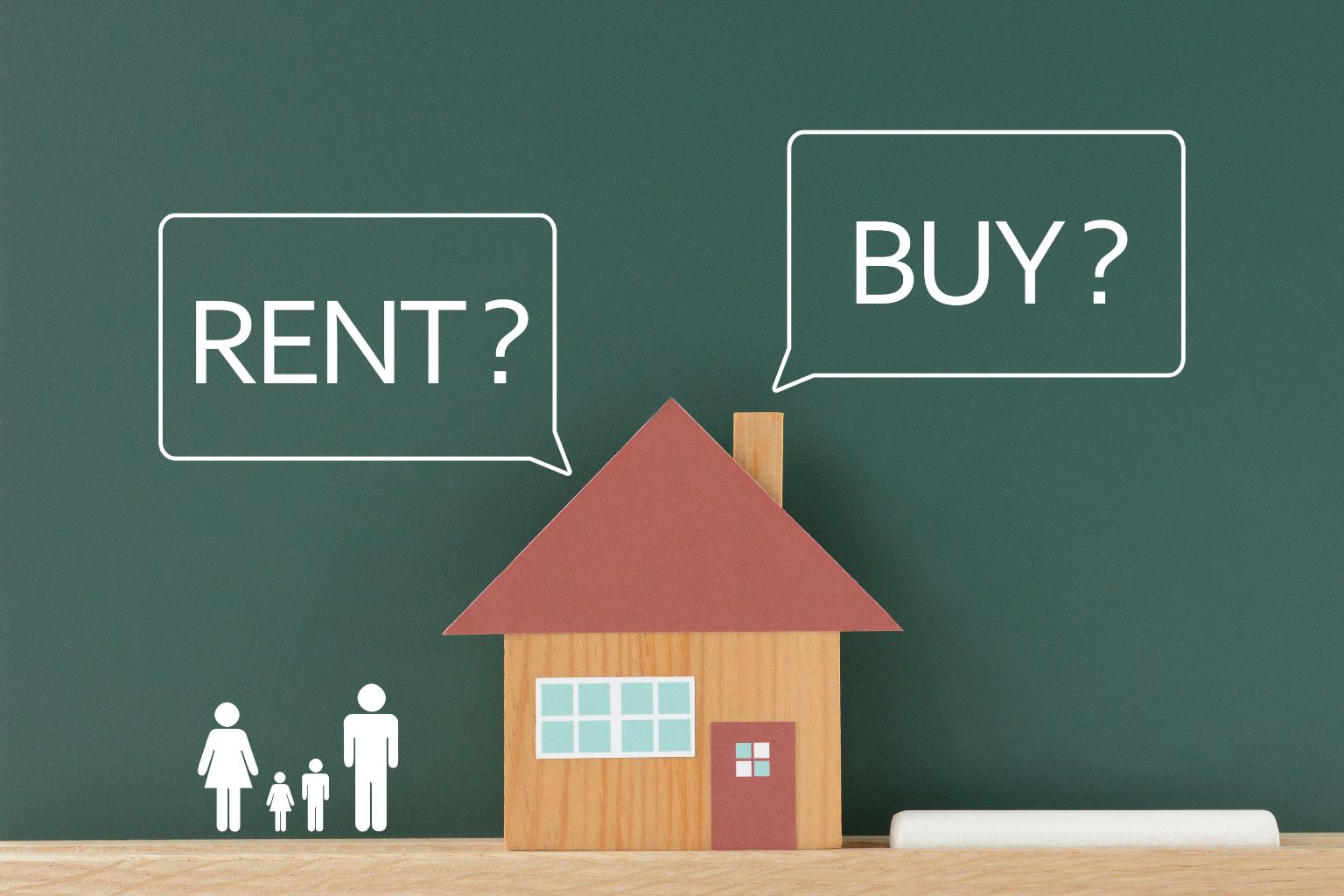
Deciding whether to buy or rent a property is one of the biggest financial choices many people make. There is no single answer that suits everyone. The right option depends on your income, deposit, monthly budget, future plans and the local property market.
When comparing buying vs renting a property, it is important to look beyond the monthly mortgage payment or rent alone. Buyers also need to consider deposits, legal fees, surveys, insurance, maintenance and other costs. Renters may have fewer ownership costs, but they are still responsible for regular monthly rent and household bills.
Manchester Mortgages helps buyers understand their mortgage options and how home ownership may fit into their financial plans.
Is It Cheaper to Buy or Rent a Property in the UK?
Whether buying is cheaper than renting depends heavily on location and personal circumstances.
In some areas, monthly mortgage repayments may be similar to local rent. In other locations, especially where property prices are high, buying can involve much larger monthly payments.
Renting can offer lower upfront costs and greater flexibility. Buying can provide long term stability and allow homeowners to build equity in their property.
Rather than looking only at which option costs less this month, it is better to consider your wider financial situation and how long you expect to stay in the property.
What Costs Should You Compare When Buying Versus Renting?
A fair comparison should include all the main costs linked with each option.
For buyers, this can include:
• Mortgage repayments
• Deposit
• Solicitor fees
• Survey costs
• Mortgage related fees
• Buildings insurance
• Maintenance
• Repairs
• Service charges where applicable
For renters, costs can include:
• Monthly rent
• Tenancy deposit
• Council Tax
• Utilities
• Contents insurance
• Moving costs
Looking at the complete picture can give you a more realistic idea of affordability.
How Much Deposit Do You Need to Buy a Home?
The deposit is one of the biggest upfront costs when purchasing a property.
The amount required depends on the mortgage product and your circumstances. A larger deposit usually means you need to borrow less from the lender.
For example, if you buy a property using a 10% deposit, the mortgage would usually cover the remaining 90% of the property price.
Some buyers choose to save a larger deposit because this may improve the mortgage options available to them and reduce the amount borrowed.
How Does Your Deposit Affect Monthly Mortgage Repayments?
Your deposit can have a major effect on your monthly mortgage repayments.
A larger deposit reduces the size of the mortgage required. This can result in lower monthly repayments, depending on the interest rate, mortgage term and type of product selected.
For first time buyers, saving a larger deposit may therefore make monthly budgeting easier.
However, it is also important not to use every penny of your savings for the deposit. Buyers may still need money for legal costs, surveys, moving expenses and unexpected repairs.
What Is Loan to Value and Why Does It Matter?
Loan to value, often called LTV, describes how much you borrow compared with the value of the property.
If a property costs £200,000 and you provide a £20,000 deposit, you would need to borrow £180,000.
This means the mortgage represents 90% of the property value.
Loan to value matters because lenders often use it when deciding which mortgage products are available.
Generally, a lower LTV means the buyer is borrowing a smaller proportion of the property price.
Monthly Mortgage Repayments Versus Monthly Rent
Monthly mortgage repayments and rent can vary significantly across the UK.
In some towns and cities, mortgage repayments may be close to average rental costs. In others, buying can create a much larger monthly commitment.
Property prices are only one factor.
Mortgage interest rates, deposit size and mortgage term can all influence monthly repayments.
Rental costs are also affected by local demand, property availability and location.
For this reason, buyers should compare the likely mortgage payment for the specific property they are considering rather than relying on national averages.
Where Is Buying Cheaper Than Renting in the UK?
There is no permanent list of places where buying will always be cheaper than renting.
Property prices, rents and mortgage rates change over time.
However, areas with lower property prices and relatively strong rents may provide situations where monthly mortgage repayments are close to, or sometimes below, rental costs.
Buyers considering areas such as Manchester and surrounding towns should compare local property prices with current rental costs before making a decision.
A mortgage adviser can also help calculate likely repayments based on deposit size and borrowing requirements.
Where Does Buying Cost More Than Renting?
Buying can cost considerably more than renting in areas where property prices are high compared with local rents.
This is particularly relevant in expensive city centres and highly desirable locations.
A buyer may be able to afford the monthly rent in an area but find that purchasing a similar property requires a much larger mortgage payment.
Higher purchase prices also usually mean a larger deposit is needed.
This is why affordability should always be assessed using the actual property price rather than assuming that rent and mortgage costs will be similar.
What Additional Costs Come With Buying a Property?
Home ownership involves costs beyond the mortgage.
Buyers may need to pay for solicitor fees, surveys, mortgage related fees, moving expenses and buildings insurance.
There may also be Stamp Duty depending on the property value and buyer circumstances.
Once you own the property, maintenance and repair costs become your responsibility.
For flats and some managed developments, service charges may also apply.
These costs should be included in your monthly and annual budgeting before committing to a purchase.
What Costs Should Renters Budget For?
Renters do not usually need to pay for major structural repairs, but renting still involves several regular costs.
Monthly rent will normally be the largest expense.
There may also be Council Tax, gas, electricity, water, broadband and contents insurance.
A tenancy deposit may be required when moving into a new property.
Renters should also plan for possible rent increases when their tenancy is renewed.
When Can Buying Be Better Than Renting?
Buying may be more suitable if you are financially stable and plan to remain in the same area for several years.
Mortgage repayments contribute towards owning the property, while rent is paid to a landlord.
Home ownership can also offer greater control over the property and more stability.
Buyers may benefit if property values rise over time, although this is never guaranteed.
Before buying, it is important to make sure the monthly payments remain affordable even if your circumstances change.
When Can Renting Be the Better Option?
Renting can be useful for people who need flexibility.
If you expect to move for work, change location or are unsure about your long term plans, renting may be more practical.
It also requires a smaller upfront financial commitment compared with purchasing a property.
Renting can therefore give people time to build a deposit, improve their finances or decide where they want to settle.
How Do Interest Rates Affect the Cost of Buying?
Interest rates can have a significant effect on mortgage repayments.
When rates are higher, borrowers may pay more each month for the same mortgage amount.
A lower rate can reduce monthly payments and the total interest paid over the mortgage term.
The rate available to you can depend on factors such as your deposit, credit history, income, mortgage type and lender criteria.
This is one reason mortgage affordability should be checked carefully before buying.
Should First Time Buyers Speak to a Mortgage Broker?
A mortgage broker can help first time buyers understand how much they may be able to borrow and which mortgage options may be suitable.
They can also explain deposit requirements, loan to value, monthly repayments and the wider costs of buying.
Manchester Mortgages can help buyers review their circumstances and understand the mortgage process before they commit to a property purchase.
Frequently Asked Questions
Is buying cheaper than renting in the UK?
It depends on property prices, local rent, deposit size, mortgage rates and personal circumstances. In some areas buying may have similar monthly costs to renting, while in other locations it can be much more expensive.
How much deposit do I need to buy a house?
The deposit required depends on the mortgage product and lender criteria. A larger deposit generally reduces the amount you need to borrow.
Does a bigger deposit reduce monthly mortgage repayments?
Usually, yes. A larger deposit means you borrow less, which can reduce monthly repayments depending on the interest rate and mortgage term.
What extra costs come with buying a house?
Buyers should budget for legal fees, surveys, insurance, moving costs, possible Stamp Duty, maintenance and repairs in addition to the mortgage.
Is renting better if I plan to move soon?
Renting may be more suitable if you need flexibility or expect to move within a relatively short period.
How does loan to value affect my mortgage?
Loan to value shows the percentage of the property value being borrowed. A lower LTV can sometimes provide access to a wider range of mortgage products.
Should I buy or rent as a first time buyer?
The right choice depends on your deposit, income, monthly budget and future plans. Speaking with a mortgage adviser can help you understand whether buying is affordable for your circumstances.